
DSWD Prepositions Over 140K Relief Items for Disasters
Disaster relief supplies stand ready to support local units in La Union and Ilocos Region.
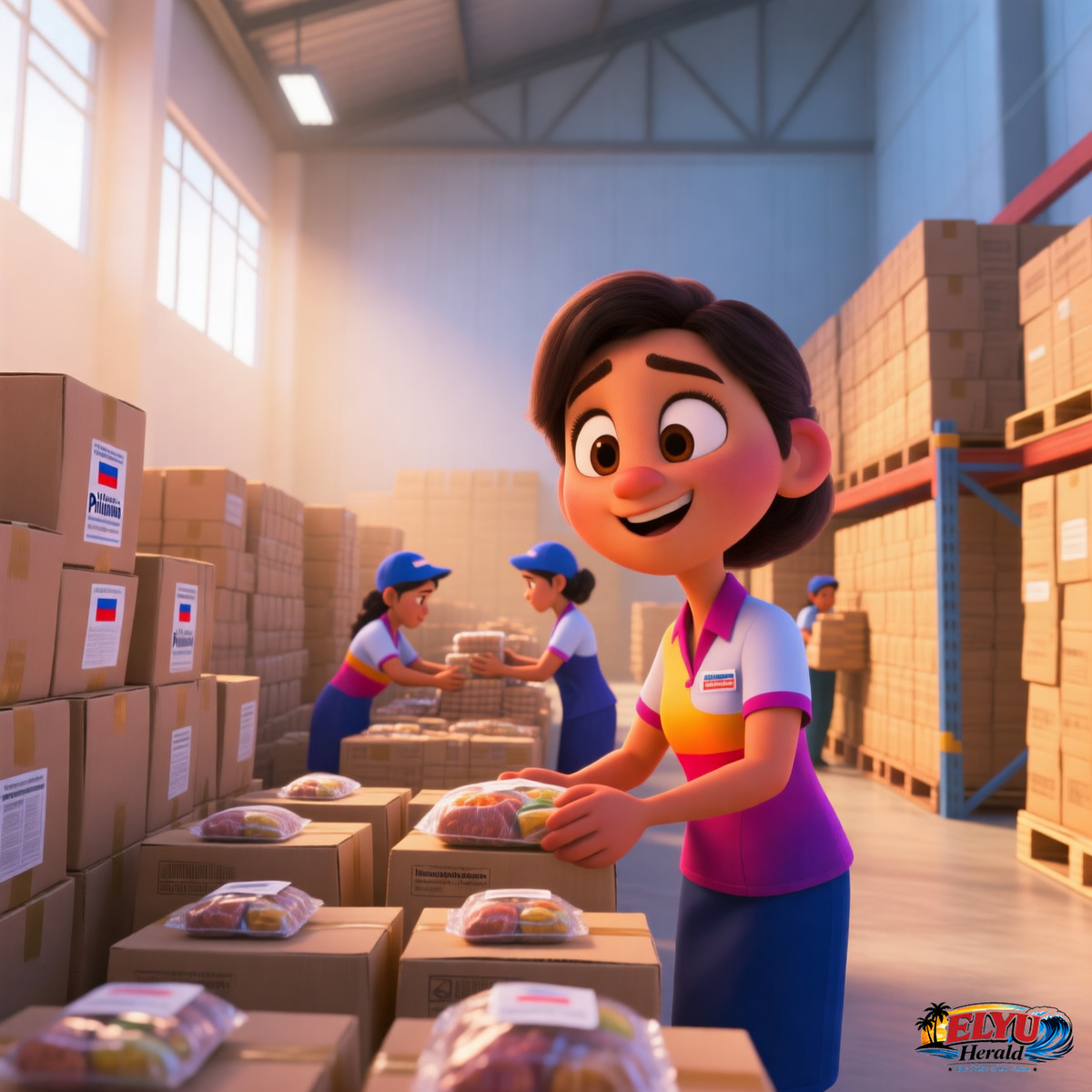
AI Generated Illustration
The Department of Social Welfare and Development (DSWD) in the Ilocos Region has prepared 143,705 food and non-food relief items as of Tuesday noon to support local government units during weather disturbances, the PNA reports.
The emergency stocks are positioned to boost disaster response efforts across the region, including local government units in La Union. DSWD Field Office 1 stores these supplies in a central regional warehouse, two satellite facilities, and 26 active relief prepositioning locations.
The regional inventory contains the following emergency supplies:
- 113,280 family food packs, each containing six kilos of rice, four cans of tuna, four cans of corned beef, two cans of sardines, five sachets of instant coffee, and five sachets of cereal
- 13,109 boxes of ready-to-eat food
- 12,699 non-food items, which include family kits, hygiene kits, kitchen kits, and sleeping kits
- 4,617 one-liter bottles of drinking water
In addition to physical supplies, the agency retains over PHP 2.5 million in standby funds ready for deployment. Under Republic Act 10121, or the Philippine Disaster Risk Reduction and Management Act, local government units serve as the first line of defense responsible for immediate disaster response, risk reduction programs, and local planning.
The regional agency provides extra relief stock once local resources run low. DSWD-Ilocos Region Director Marie Angela Gopalan highlighted this operational mandate in a recent statement.
“The department shall provide augmentation for the food and non-food items only upon depletion of LGUs resources, according to the DSWD Administrative Order No. 2, series of 2021. Nevertheless, DSWD ensures its readiness to assist the LGU as needed,” Gopalan said.
Administrative Order No. 2, series of 2021 dictates that regional stocks are dispatched directly to local governments as soon as municipal inventories are exhausted.
SOURCE: PNA